


The Problem

Capacity Gets Planned Against Volume You Already Carry

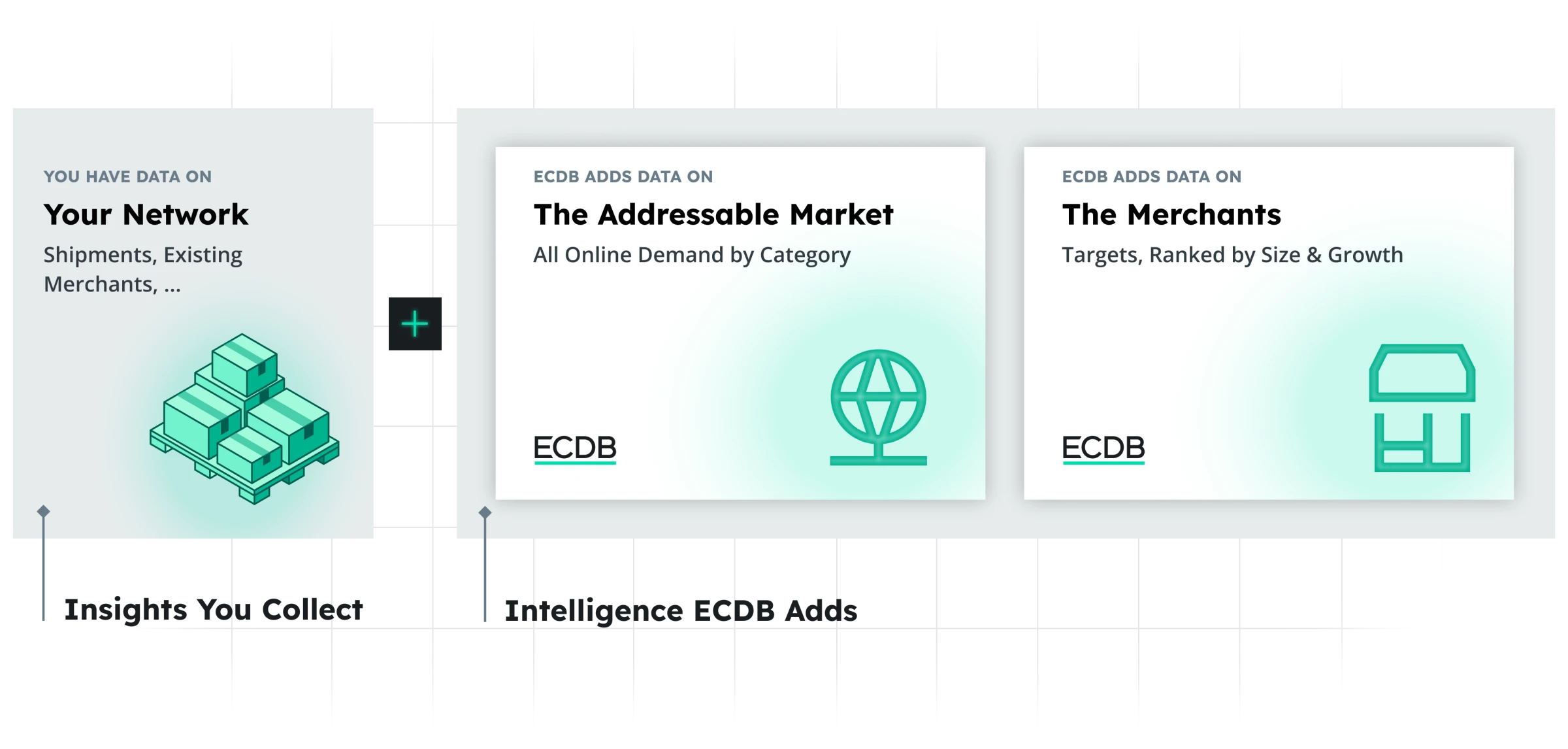
Forecasts built from your own shipment history describe your existing customers, not the parts of the market you don't yet touch. A category growing fast in a country you haven't prioritized stays invisible.

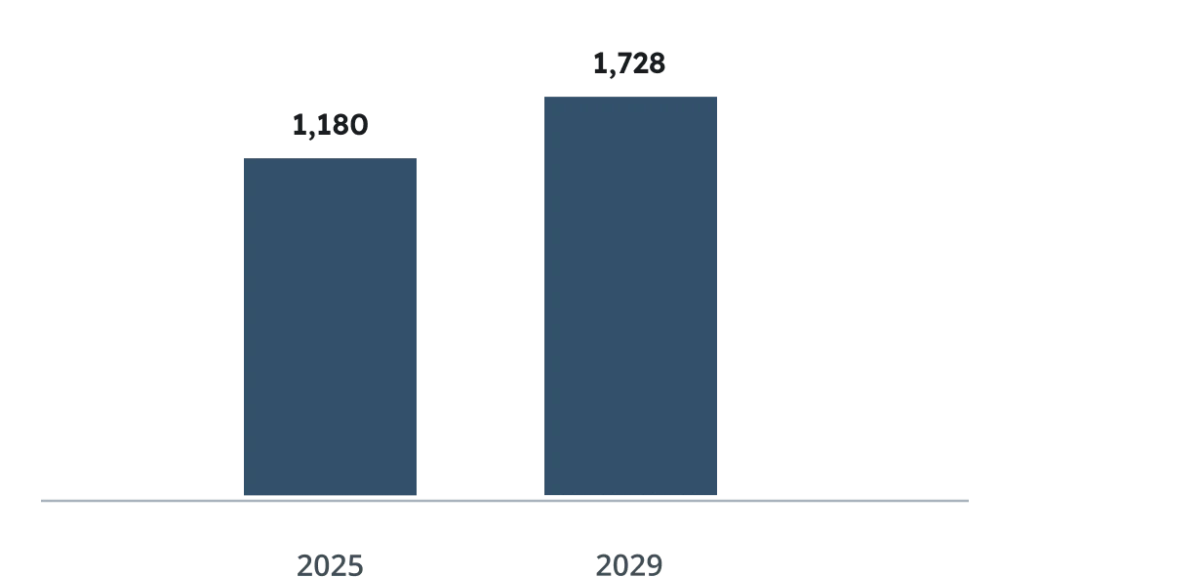
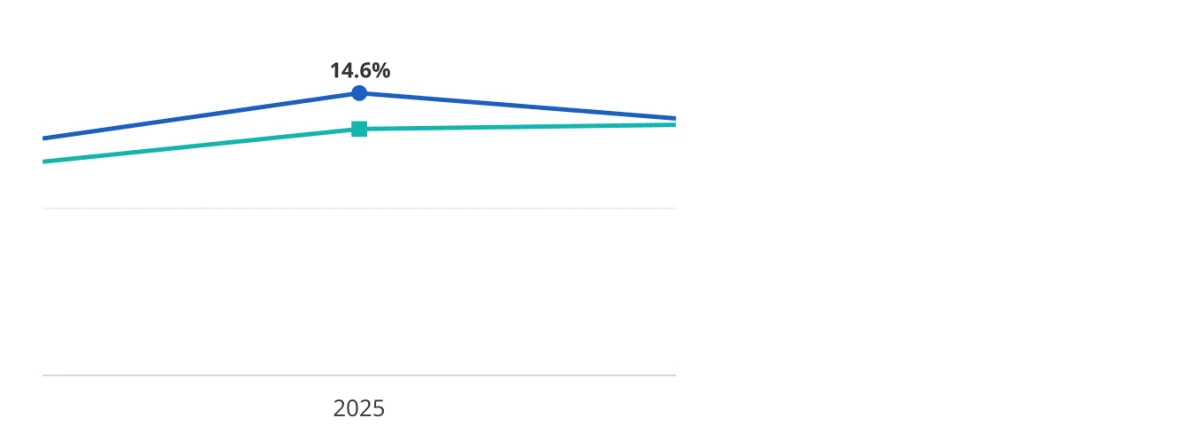
The data you already have, next to the data ECDB adds

What the Blind Spot Costs You

Without ECDB

Capacity Sized on the Wrong Base

Planning against current volume misses the categories about to rise.

With ECDB

Capacity Sized on Coming Demand

Category forecasts show which segments are about to accelerate.

Without ECDB

Expansion Picked by Relationship

New regional hubs get justified by an existing account.

With ECDB

Expansion Picked by Demand

Expansion follows actual measured online demand.

Without ECDB

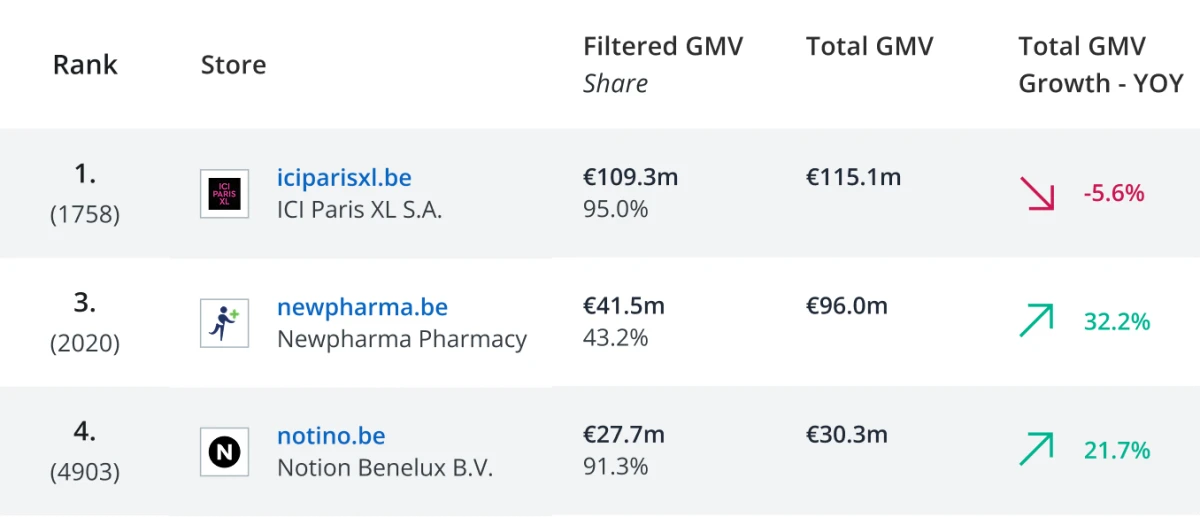
Merchant Targeting Runs on Cold Lists

Sales teams pursue merchants not knowing which ones are growing.

With ECDB

Merchant Targeting Runs on Growth Data

Sales teams start with the merchants whose online revenue is growing.

Our Solution

We Size the Demand Before It Reaches Your Network

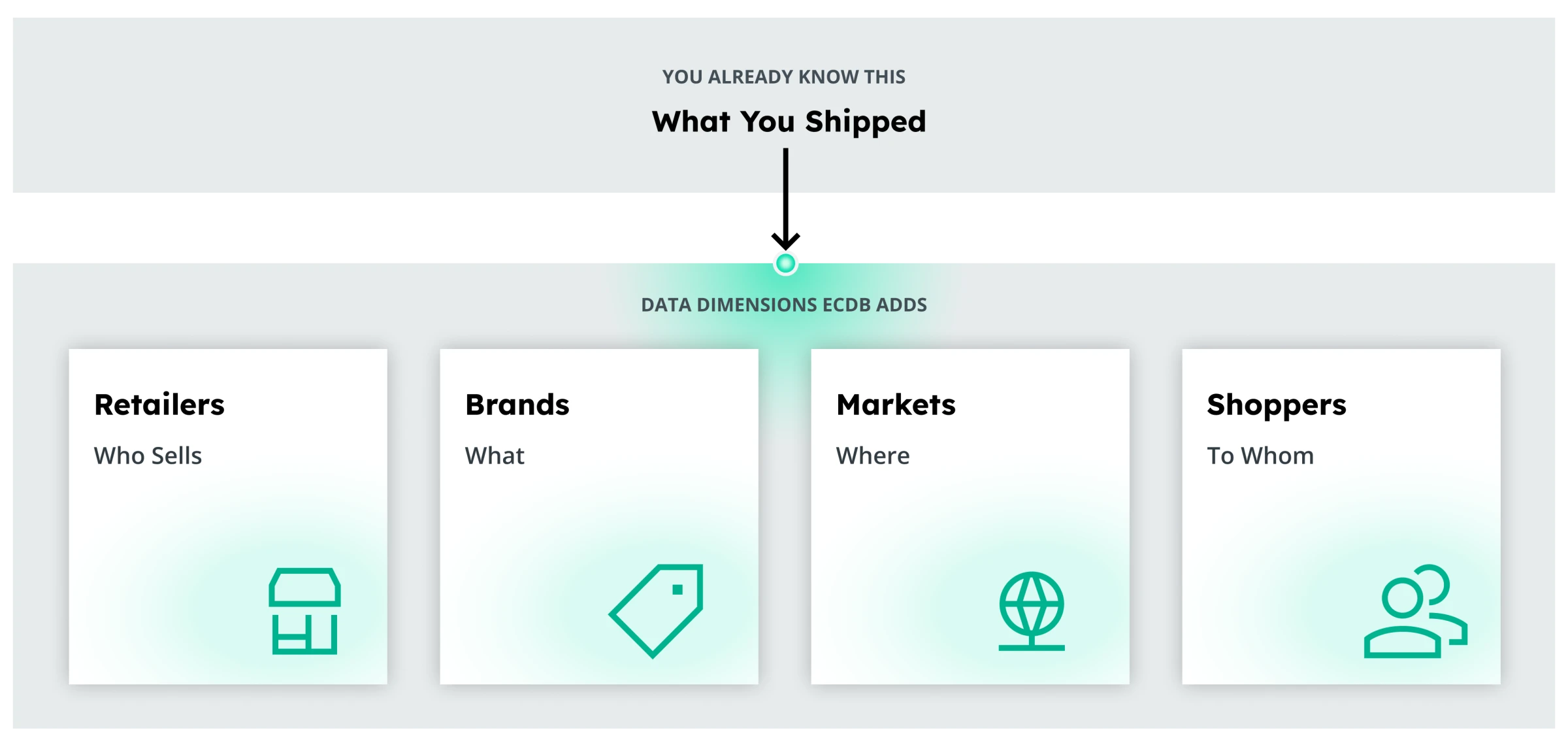
ECDB models total online GMV by country and category, independent of any single carrier's book, so demand growth is visible before it turns into a delivery.

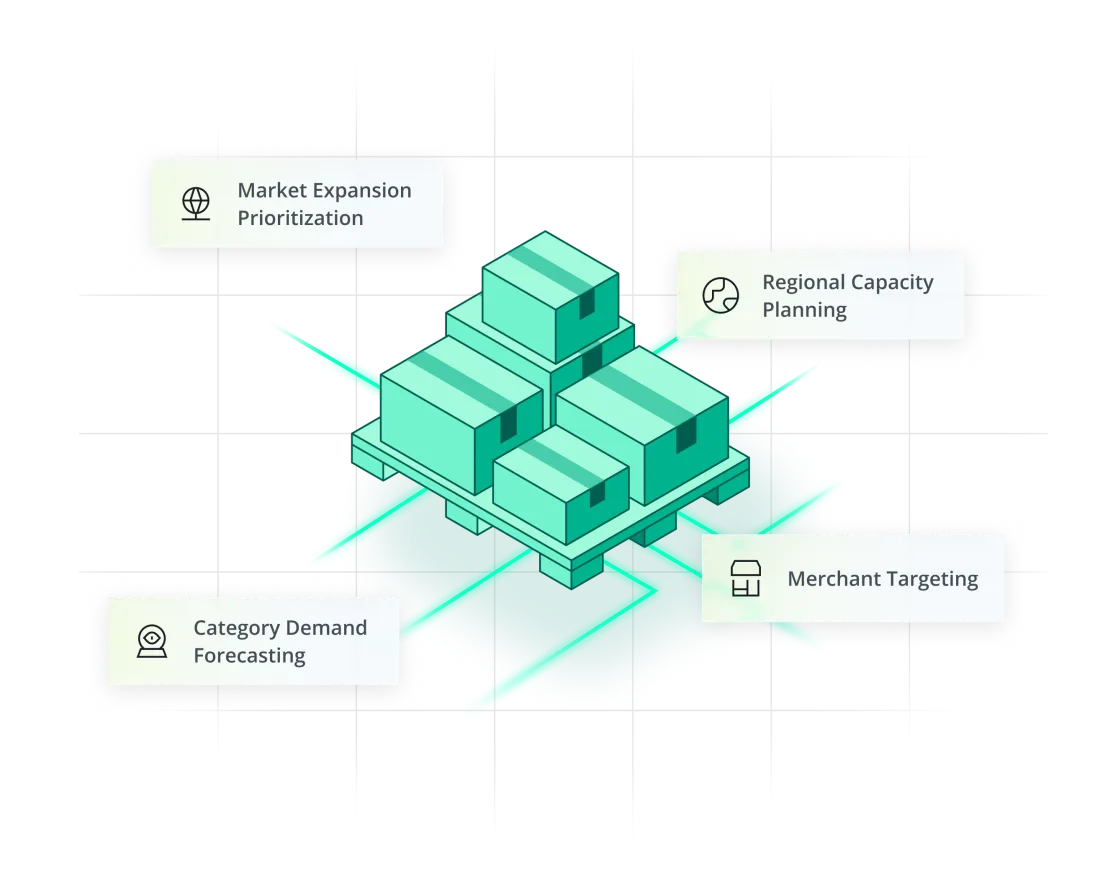
The question you start with, and the data dimensions ECDB adds to answer it

Demand Sized Ahead of Volume

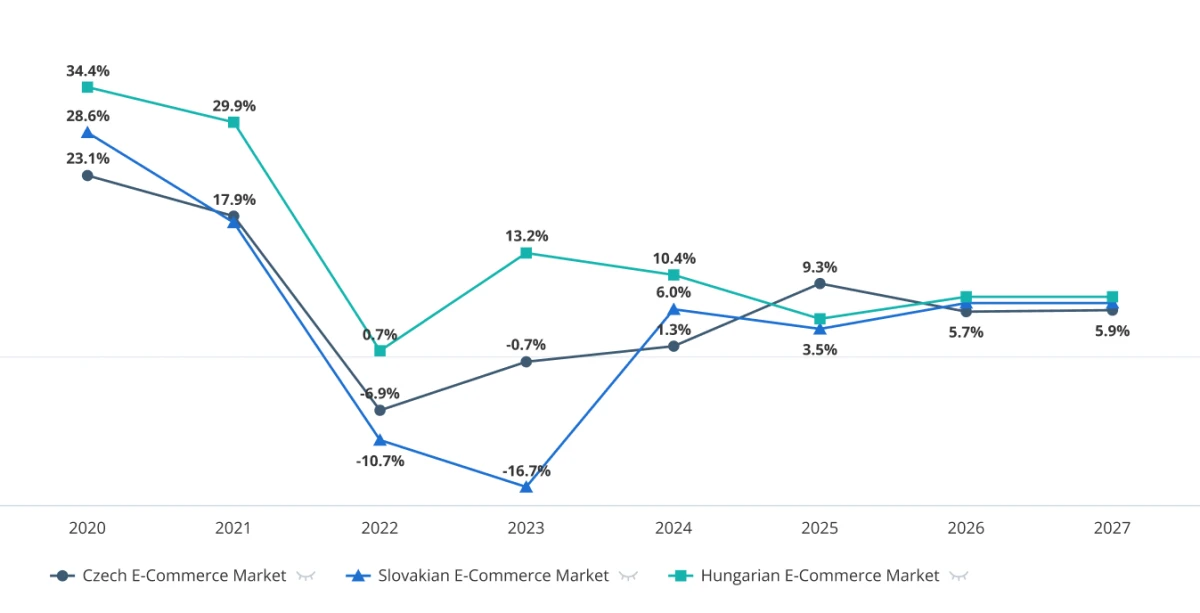
A category's online growth shows up before it appears in anyone's parcel counts.

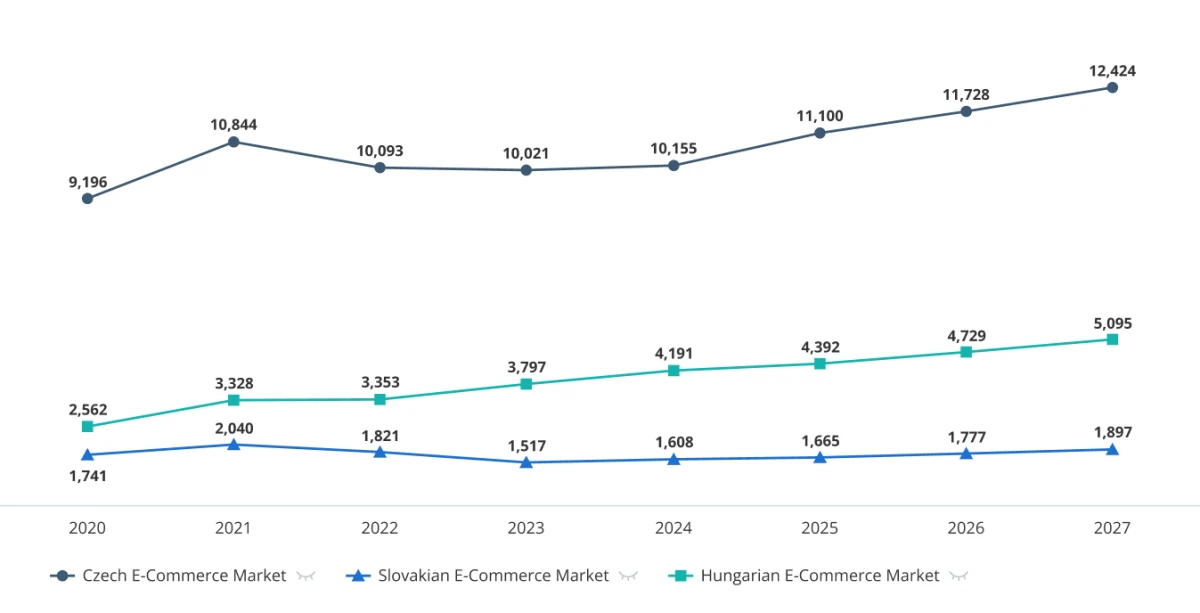
Every Market on the Same Basis

Capacity planning compares countries on the same measured demand, not on network intuition.

Merchant Lists Ranked by Growth

Target lists built from measured GMV and growth, not from cold outreach.

Example Use Cases

Start With the Question Closest to Your Job

These are the questions logistics and fulfillment teams most often ask. Each one is a worked example on a real market and category, and each one combines two of the four datasets above.

Regional Capacity Planning
Example Poland Multi-Category

Size Next Year's Volume Before You Book the Warehouse Space

"How much parcel volume should we actually plan capacity for next year, across our top categories?"
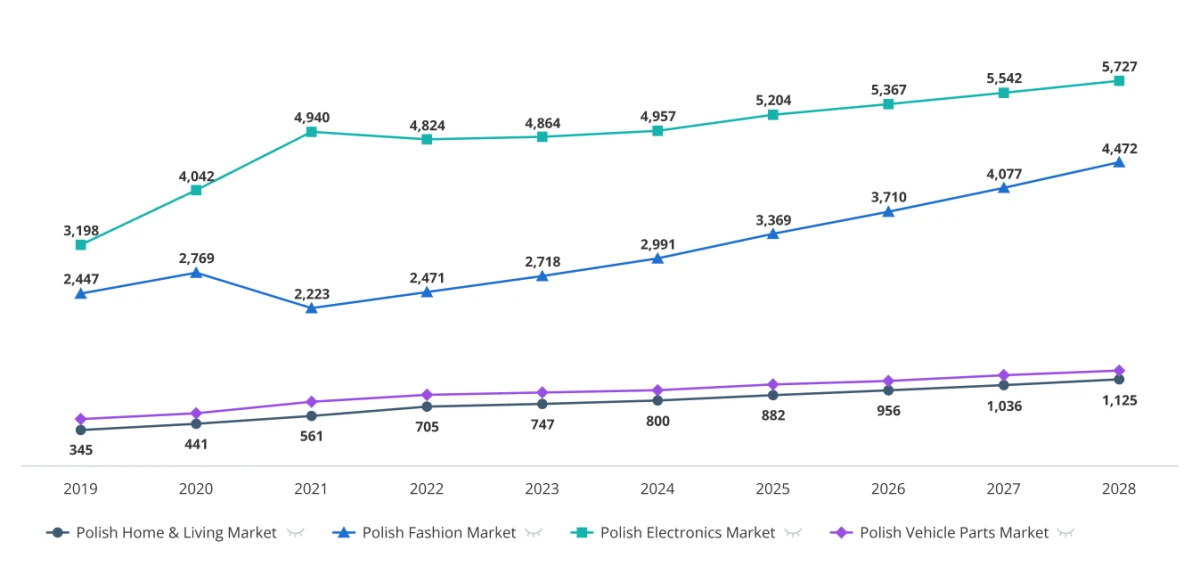
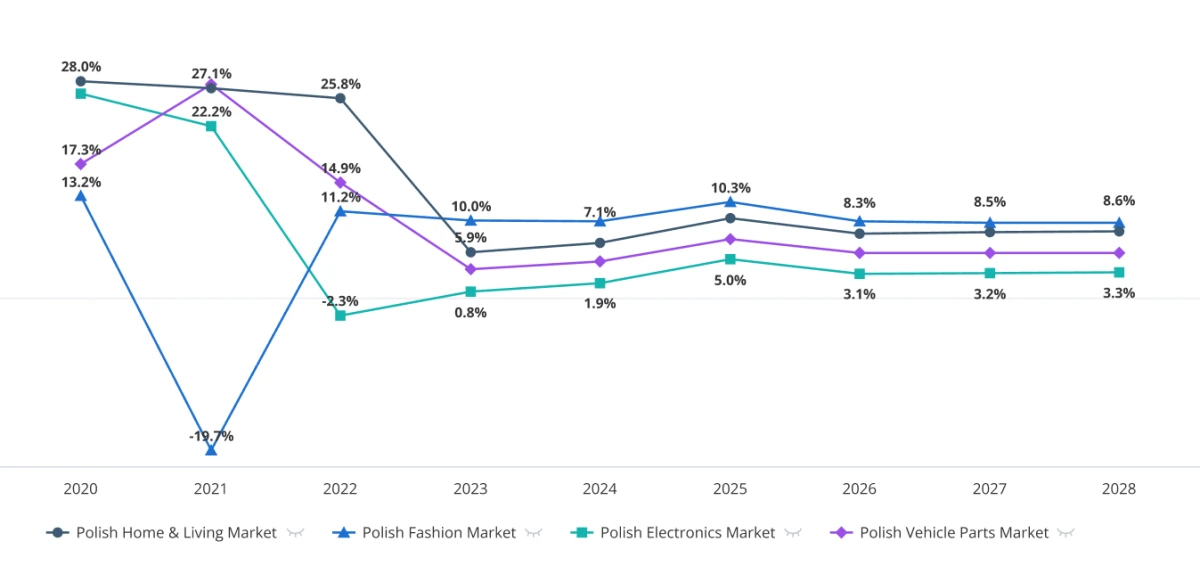
  • Plan next year's extra capacity around Fashion. It adds twice as much revenue as Electronics and roughly half of all new volume across the four categories. Fashion is also one of the most returned categories, so your plan needs room for returns as well as outbound parcels.
  • Electronics keeps your base volume steady. It stays the largest category, but grows only about 3% a year, so your current capacity covers most of it.
  • Home & Living and Vehicle Parts add volume at a predictable pace. Both are small but grow steadily, which makes them the easiest categories to plan a year ahead.
  • Market demand replaces last year's shipment count as your planning base. Your capacity then follows where volume is heading, instead of where it was.
Draws On
  • Who SellsRetailers(not used)
  • WhatBrands
  • WhereMarkets
  • To WhomShoppers(not used)

Online Revenue Development by Category, Poland

in million EUR

Line chart of online revenue by category in Poland from 2019 to 2028

Fashion Brings the New Volume

Growth Year-on-Year (YOY)

Line chart of year-over-year growth by category in Poland

Source: ECDB, modeled data. Online market revenue by category, Poland, in € million, 2019 to 2028. Growth is year on year. Values from 2026 onward are forecasts and subject to change.

Built for Planning and BD Teams at Networks Like These
  • DHL
  • Hermes
  • GLS
  • DPD
  • PostNL
  • Bpost
  • UPS
  • Deutsche Post
Success Stories

Same Job. Same Reporting Line. Same Problem.

Three logistics and fulfillment teams describing what changed once capacity and expansion planning ran on measured demand instead of internal volume.

Cross-Border Parcel Network

CEE

We used to plan capacity a year behind the categories that were actually growing. Now we see it coming.

Head of Network Planning
Before
Capacity plans were built from the prior year's volume, meaning fast-growing categories were invisible until they showed up as overflow.
What Changed
A category demand baseline sized independently of the existing book.
Result
Capacity for the fastest growing category was expanded a full quarter ahead of the volume actually arriving.

Regional Last-Mile Carrier

Benelux

Our BD team finally calls the merchants that are actually growing, not just the ones that answer the phone.

Commercial Director
Before
Merchant prospecting ran on generic lead lists with no reliable signal on which merchants were actually gaining volume.
What Changed
A quarterly ranked target list built from measured GMV growth by category.
Result
Conversion on outbound merchant calls improved once targeting shifted from cold lists to growth-ranked ones.

Pan-European Fulfillment Operator

Central Europe

The business case for the new hub finally had a market number nobody in the room had produced themselves.

VP of Expansion
Before
Decisions on where to build the next regional hub leaned heavily on which country team made the best internal case.
What Changed
A side-by-side comparison of measured market size and growth across every country.
Result
The hub location shifted to the market with the highest measured demand.

Bring Your Own Figures to the Demo.

Tell us the category and the markets you plan for. We will run these views on your data in the meeting, not as a follow-up.

Book a Demo

Frequently Asked Questions

Ready to Unlock the Full Power of ECDB?

Book a demo to see how ECDB's market intelligence can support your business.